In his book The Psychology of Money, Morgan Housel shares a concept that feels like a cheat code...
5 Meta Ads Plays to Make Right Now to Crush Q4
Meta's 2026 holiday guidance is telling us to get ready for Q4 early.
Waiting until November to find winning tactics means paying higher prices to run tests and generate learnings.
The brands that win Q4 and finish the year strong lock in their winning formats, identify their new audiences, and build their lists months in advance, before the cost of advertising increases.
Here's what you can do in August and September to ensure you crush Q4 in 2026, whether you are a DTC business selling soap through Shopify or a SaaS platform trying to fill your pipeline before the end of the year.
1. Test landing pages before costs spike
Traffic is cheap right now. At least compared to what it's going to cost in 8 weeks.
This is the perfect time to pressure test your landing pages with less expensive clicks.
Look at your top performing landing page and think about how you can flip the script. What can you do differently to convince the audience to convert? Four ideas you can test:
- Listicles: Scrape your recent reviews and come up with a "5 reasons why you need this product now" content piece built around value propositions and the things your customers actually love about your product.
- Social Proof: Test a social-proof forward page. Load it up with reviews and UGC to give the audience tangible reasons to buy your product.
- Switching: Position your product firmly against the solution they are currently using, whether that's a competitive product or a lack-of-solution.
- Offers: Don't worry about discounts, but focus on identifying whether a gift-with-purchase or a bundle has legs so that when conversion rates pick up later this year, you know exactly what your ideal offer is.
Use this as an opportunity to identify which value propositions, headlines, and offers actually convert your traffic into buyers or qualified leads.
2. Compare last year's data against current winners
The performance advertising landscape changes fast. Last year's data only matters if you contextualize it with what's working in the current landscape.
The creative formats, messaging, and landing pages that scaled last year could be ignored by the algorithm (and your audience) this season. We need to bridge the gap. Here's what you should do:
- Pull your top-performing ads from Q4 of last year.
- Look at the specific hooks, the primary text, the visuals, and the offer that drove the highest return.
- Analyze the landing page and offers on those pages.
- Now compare that to what's working in your account over the last 30-45 days.
- Finally, blend last year's insights with what the audience is reacting positively to right now.
This will give you a solid starting point to start planning your content and creatives for Q4.
3. Acquire low-cost subscribers now to alleviate Q4 ad costs
Every email address and phone number you acquire in Q3 is a prospective customer you don't have to buy from Meta in Q4.
Costs generally rise by 50% or more during the peak holiday shopping period, and relying solely on paid ads to acquire new customers during this period is a great way to thin your margins.
Capitalizing on lower costs and building your owned audience now will pay dividends in Q4.
- Review your top performing content, think about your audience's needs, and identify a new offer. A guide, early access list, content offer, or other product-aligned offer that will attract interest from qualified audiences.
- Review your lead capture popups, and add an A/B test with one of the new offers.
- Build out a landing page (see above) for this specific offer, and a series of paid ad units to match.
- Launch a dedicated lead generation campaign on Meta, which will boost audience growth.
- Segment this audience, and keep them warm between now and Q4.
Then once Q4 comes around, it's go time.
Hit them with your best (and now tested) offers for new customer acquisition through email and SMS, and you've got a low-cost channel to generate high-margin sales through the end of the year.
4. Force Meta to engage new audiences
Q3 is all about reaching new audiences, and doing so as inexpensively as possible. Your goal is to increase your spend while maintaining or reducing your CPMr (cost per mille reach).
If you haven't already, set up a custom metric for this and watch it like a hawk. CPMr will tell you whether Meta is actively seeking and engaging new audiences, which is key to grabbing mindshare and educating the audience ahead of the Q4 push.
Two ways you can encourage Meta to find new audiences:
- Check Your Audiences and Exclusions: Meta's audience lists are notorious for sync failures. Jump into Audiences and ensure that your current customer list, recent converters, email subscribers, and recent site visitors are syncing properly, and that they are being used as exclusions in the proper campaigns.
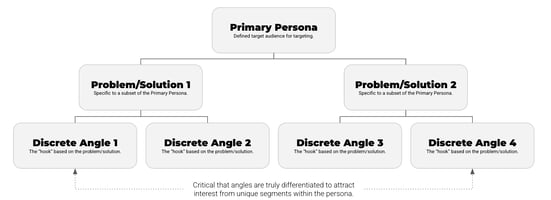
- Diversify Your Creatives: Gone are the days where we had full control over targeting on Meta. Now, your creative is your targeting. To reach new audiences, you need to create truly distinct creative with unique hooks that get the attention of different cohorts and engage new audiences.
5. Audit your pixel data and event match quality
Providing low quality data to Meta is a sure way to train the algorithm to target the wrong audience and tank your performance now and through the end of the year.
Jump into Meta Events Manager and do the following:
- Configure mid-funnel events that allow you to monitor key dropoff points in the buying journey.
- Set up server-side conversion tracking if you haven't already.
- Look at your deduplication rates to confirm that Meta isn't receiving false signals.
- Monitor your event match rates across the funnel; it's not just the final conversion that matters to Meta anymore.
You can't afford bad data. Establishing a proper tracking base will ensure the algorithm is getting clean signals, improve efficiency, and give you confidence in evaluating performance from ad through conversion.
Wrapping it up
If you feel like Q4 starts in August, you're not alone. The planning, preparation, and production seem to start earlier every year. But it's the brands that commit to a focused approach in Q3 that end up on top at the end of Q4, closing the year strong.
Get your plan in place, invest now to protect your margins, and set a trajectory for growth as you close out the year.